
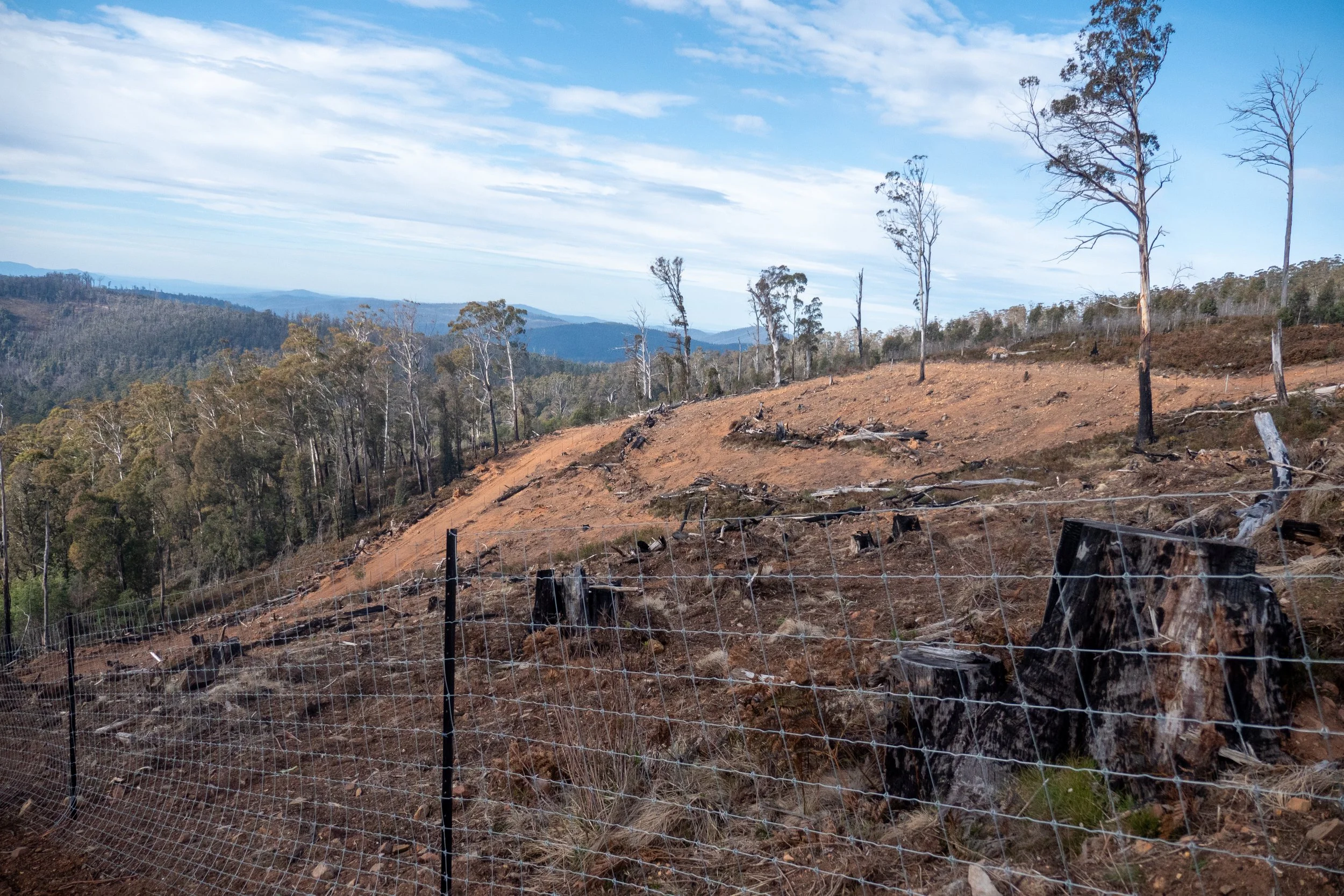
Threats to East Gippsland’s Forests and Wildlife
East Gippsland’s forests are under immense pressure from a combination of historic and emerging threats.
Invasive Species and Biodiversity Loss
Invasive species further exacerbate the fragility of these ecosystems. From predators and weeds to pathogens, introduced species disrupt the balance of native flora and fauna, often outcompeting or preying upon endemic species. The ecological cost of these invasions is compounded by a lack of funding for restoration projects, leaving many areas in need of management to prevent further biodiversity loss.
Climate Change and Habitat Contraction
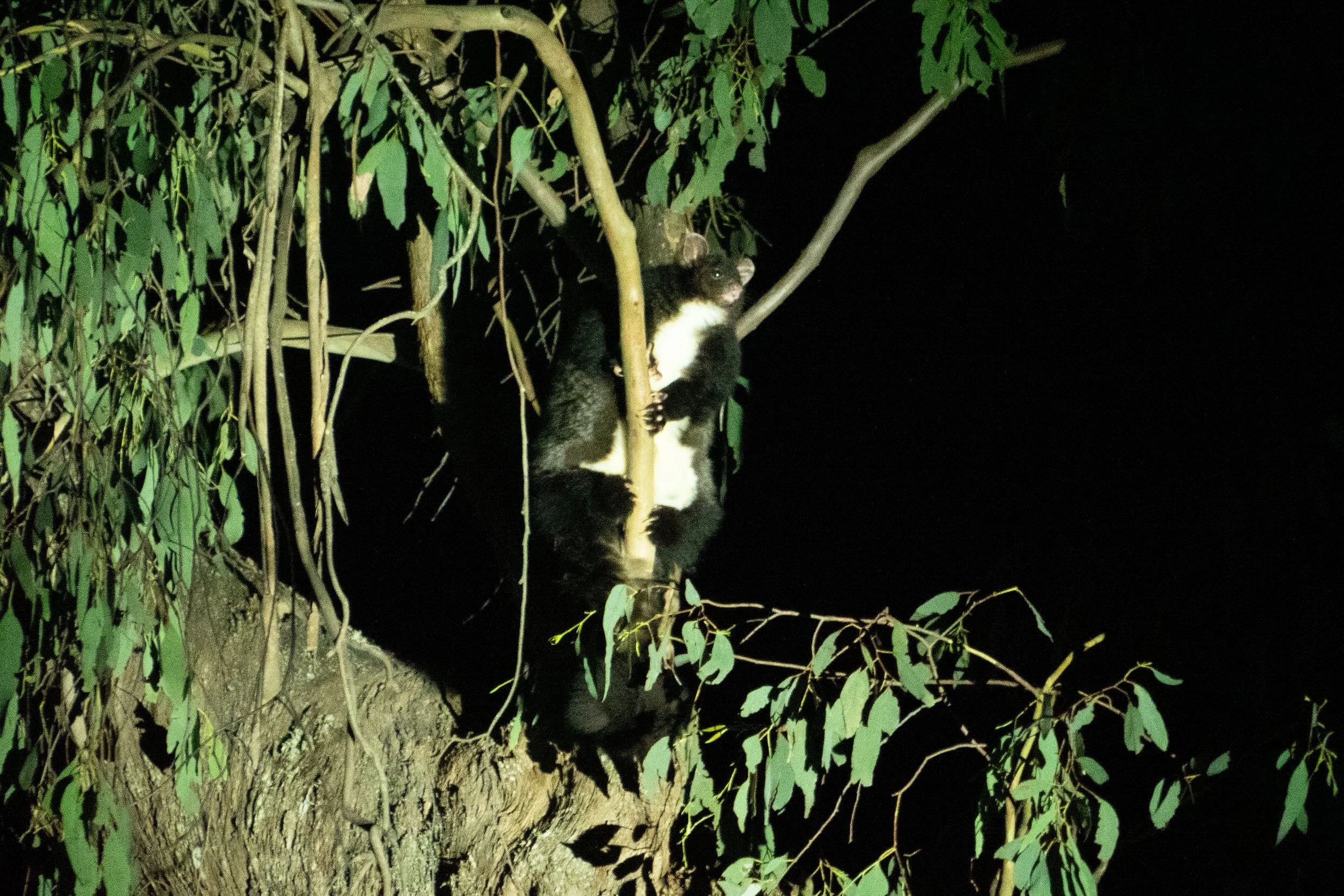
The endangered Greater Glider (Petauroides volans)
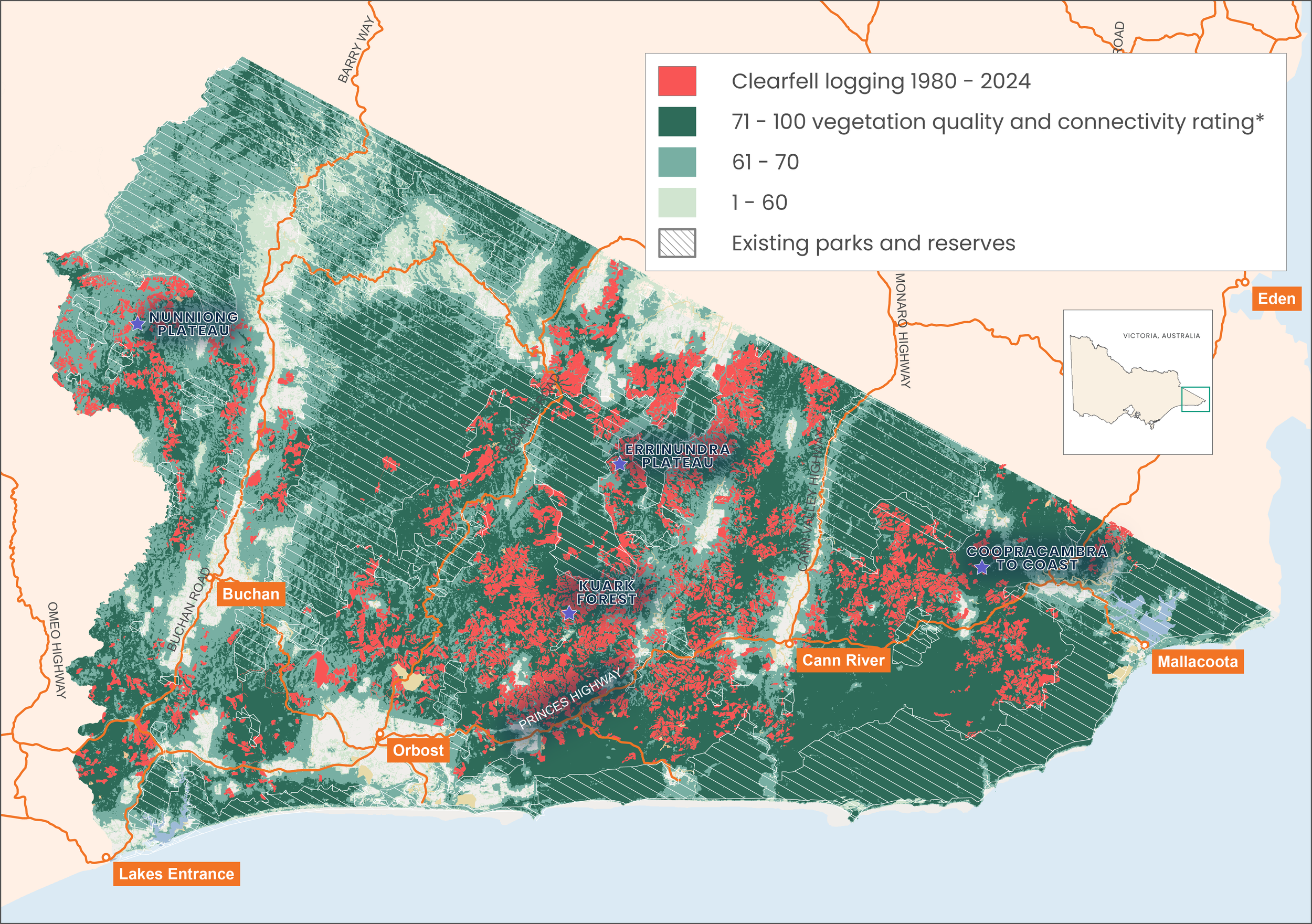
East Gippsland enjoys some of the highest connectivity and vegetation quality landscapes in Victoria
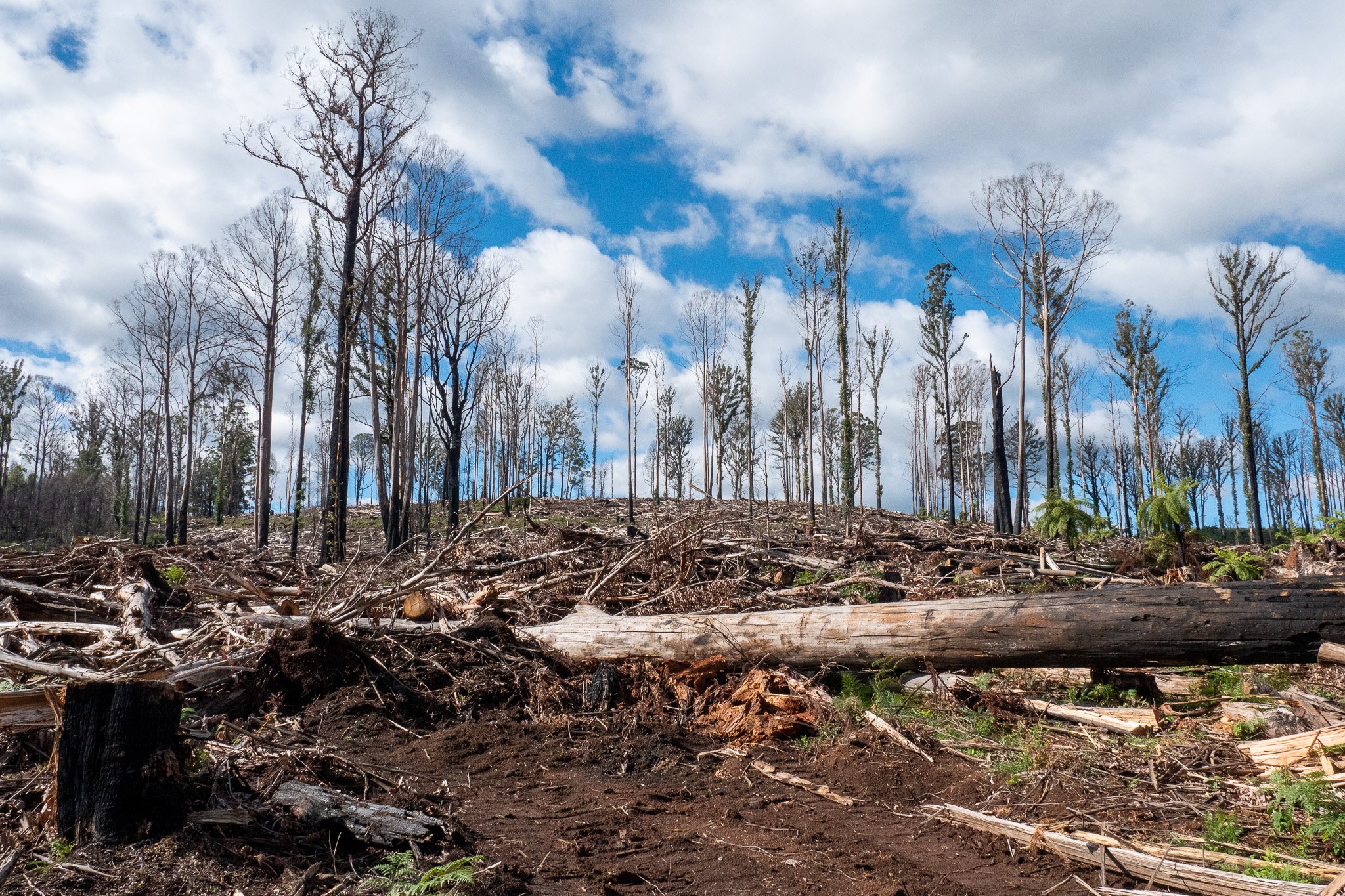
Forests impacted by bushfires and then by clearfell logging (2021)
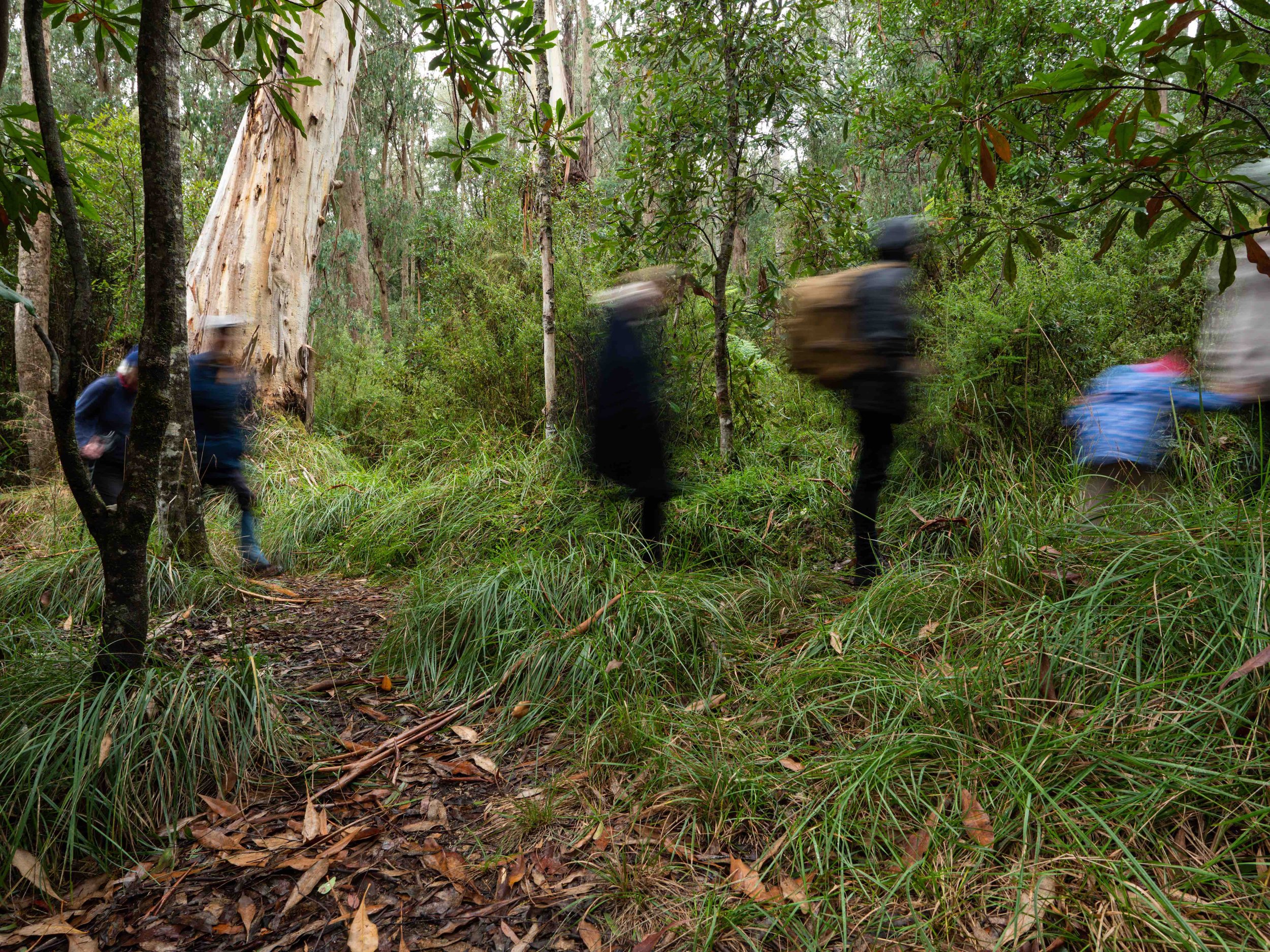
Sensible visitation can benefit local communities and conservation outcomes
The impacts of climate change on East Gippsland’s forests are already evident. Rising temperatures, increasing aridity, and more frequent extreme weather events are contributing to the contraction of suitable habitats for species such as the Greater Glider (Petauroides volans). This iconic marsupial is highly sensitive to heat and relies on old-growth forests with hollow-bearing trees for survival. Studies show that climate refugia, particularly in high-elevation areas, are critical for sustaining these species as lower-elevation habitats become increasingly inhospitable.
The Need for Forest Restoration and Integrated Management
A Vision for Restoration and Sustainability
Decades of logging, land clearing, and climate pressures have left significant parts of East Gippsland’s forests degraded. Restoring these areas is critical—not only to reverse biodiversity loss but also to improve ecosystem services such as carbon sequestration, water regulation, and soil health. Increased investment in restoration projects will create opportunities to regenerate landscapes with a balance of ecological, cultural, economic and community values.
Emerald Link advocates for integrated forest management practices that place community, ecological, and cultural priorities at the forefront. With the guidance of Traditional Owners, we can incorporate Indigenous ecological knowledge into restoration strategies to reduce fuel risk, increase biodiversity, and create healthier landscapes.
Integrated management also considers the economic and social benefits of nature-based tourism. Improved visitor access and experiences— such as well-designed and maintained trails, cultural interpretation information, and eco-accommodation—can attract more visitors while minimising their environmental footprint. These projects not only protect sensitive habitats but also provide local communities with new economic opportunities.
The path to a sustainable future for East Gippsland lies in collaboration and innovation. Working alongside Traditional Owners, we can integrate thousands of years of ecological knowledge into contemporary conservation practices. Traditional logging towns like Orbost, Nowa Nowa, and Swifts Creek can become hubs for conservation and eco-tourism, ensuring economic sustainability alongside ecological restoration. The success of towns like Forrest in the Otways demonstrates the potential for nature-based tourism to revitalise communities while protecting forests for future generations.
Through Emerald Link, we aim to demonstrate that conservation and local economic benefit can coexist. By boosting the visitor economy and investing in restoration initiatives, the return to local communities grows, creating incentives for further protection of these irreplaceable ecosystems. A thriving conservation economy underpinned by strong community and government support will ensure that East Gippsland’s forests remain a source of wonder and sustenance for generations to come.