The Last Unbroken Chain: Life in the Emerald Link
A precious area for our native flora & fauna
East Gippsland occupies just 9% of Victoria, yet is home to approximately one third of the state’s threatened species. This makes the region extremely important as a sanctuary for their survival.
Victoria has 215 ecological vegetation types, 75 of which are found in East Gippsland — that’s about 35% of all vegetation types packed into just 9% of the state.
A unique environment
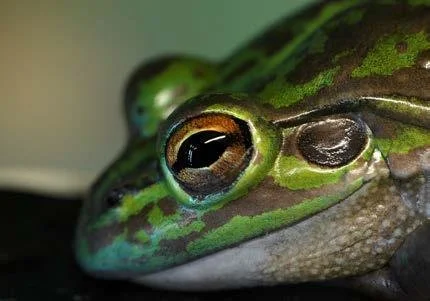
East Gippsland exceeds Victoria’s state-wide averages for species composition and numbers of listed threatened species. East Gippsland’s 709 listed threatened species comprise 34% of all listed threatened species in Victoria.
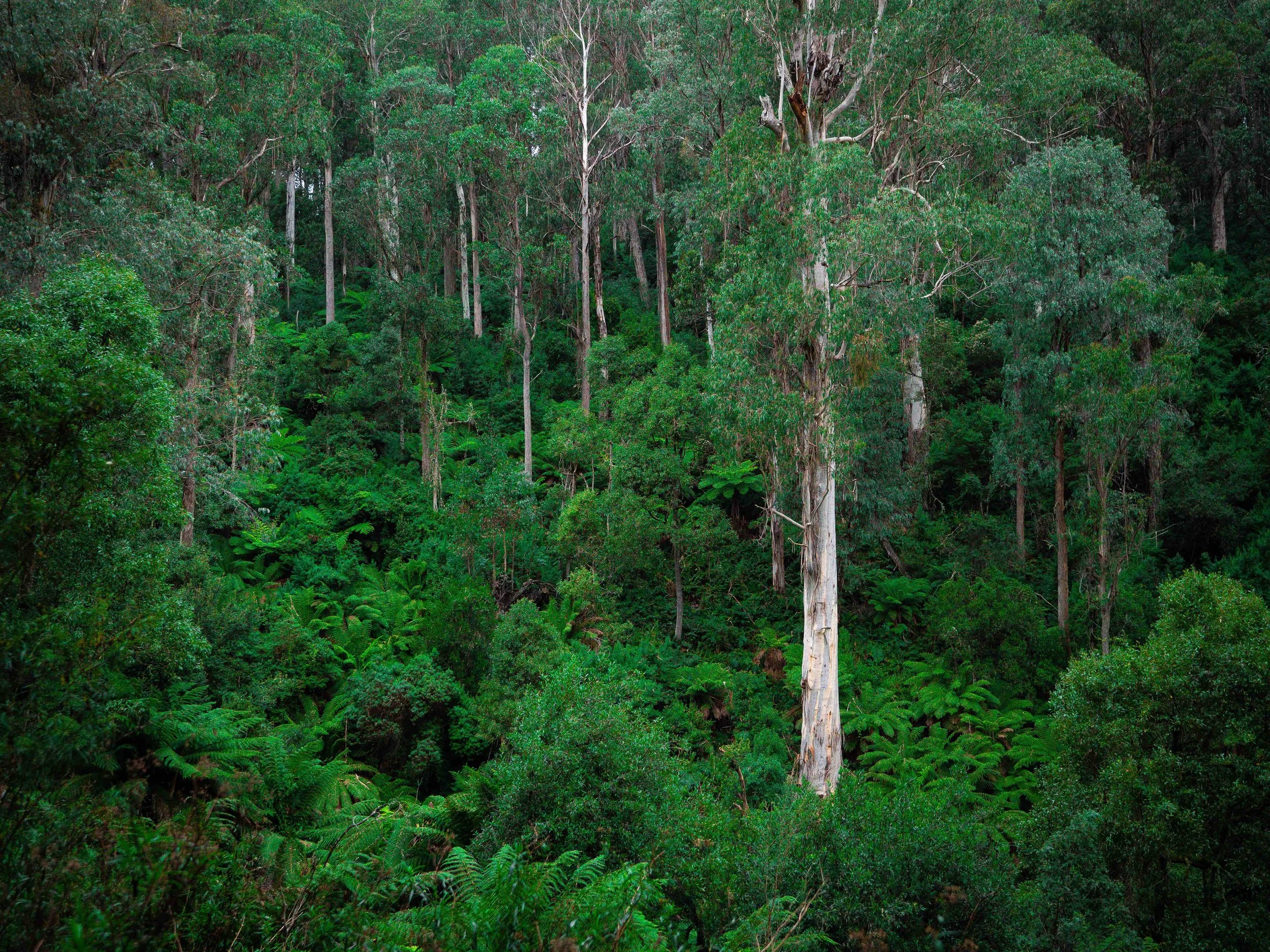
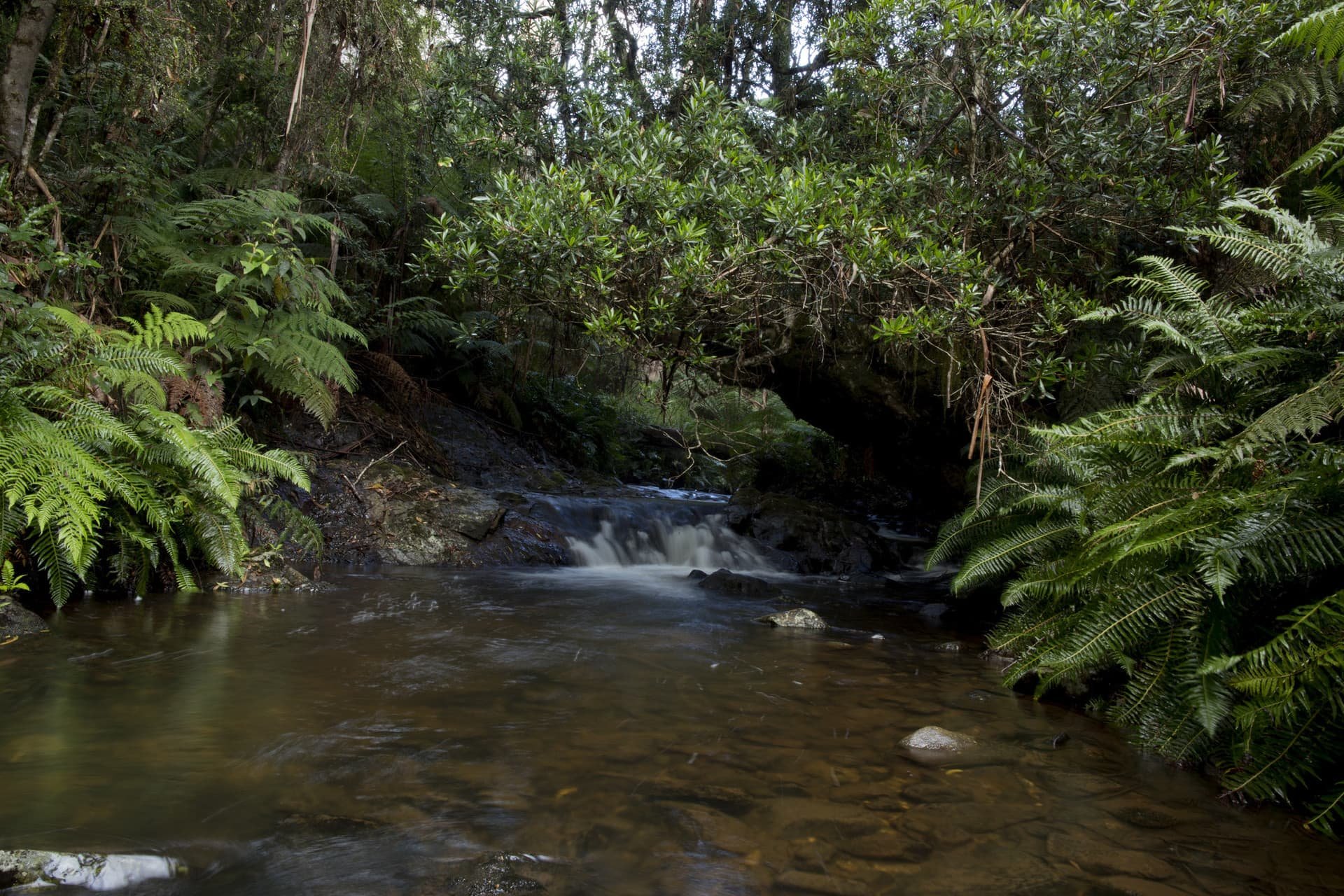
East Gippsland’s staggering diversity is due to the influences of both the southern cool temperate and east coast warm temperate climates, and the region’s many varied land formations, aspects, soils and geology. Warm temperate rainforest thrives in the cool wet gullies of East Gippsland’s lowland forests. These jungle-like rainforests are comprised of flora that evolved from tropical species which over millennia migrated down the coast from the north. These communities create ecological niches that support many species of animals and plants that are absent from or rare in the rest of the state. For many of these species, East Gippsland is the southern limit of their extent.
A place to treasure
East Gippsland is a globally significant area for biodiversity conservation. Its abundance of rare flora, fauna and habitats make it an ark of biodiversity where species and ecosystems still remain in a relatively healthy condition. The area is a microcosm of how Victoria looked prior to European arrival—a connected puzzle of special places and icons that form an unbroken corridor from the coast to the alpine regions.
Preservation of these special areas offers a great opportunity to safeguard a future for the region’s biodiversity as a beacon of hope in a world where biodiversity loss is spiraling out of control.
The Victorian government’s biodiversity mapping ranks East Gippsland as making a higher contribution to Victoria’s biodiversity than any other part of the state. Protecting areas of East Gippsland is the most effective means of achieving biodiversity conservation outcomes. If Victoria’s biodiversity is a priority, then delivering this vision of protecting the last unbroken wilderness area on mainland Australia is the solution.
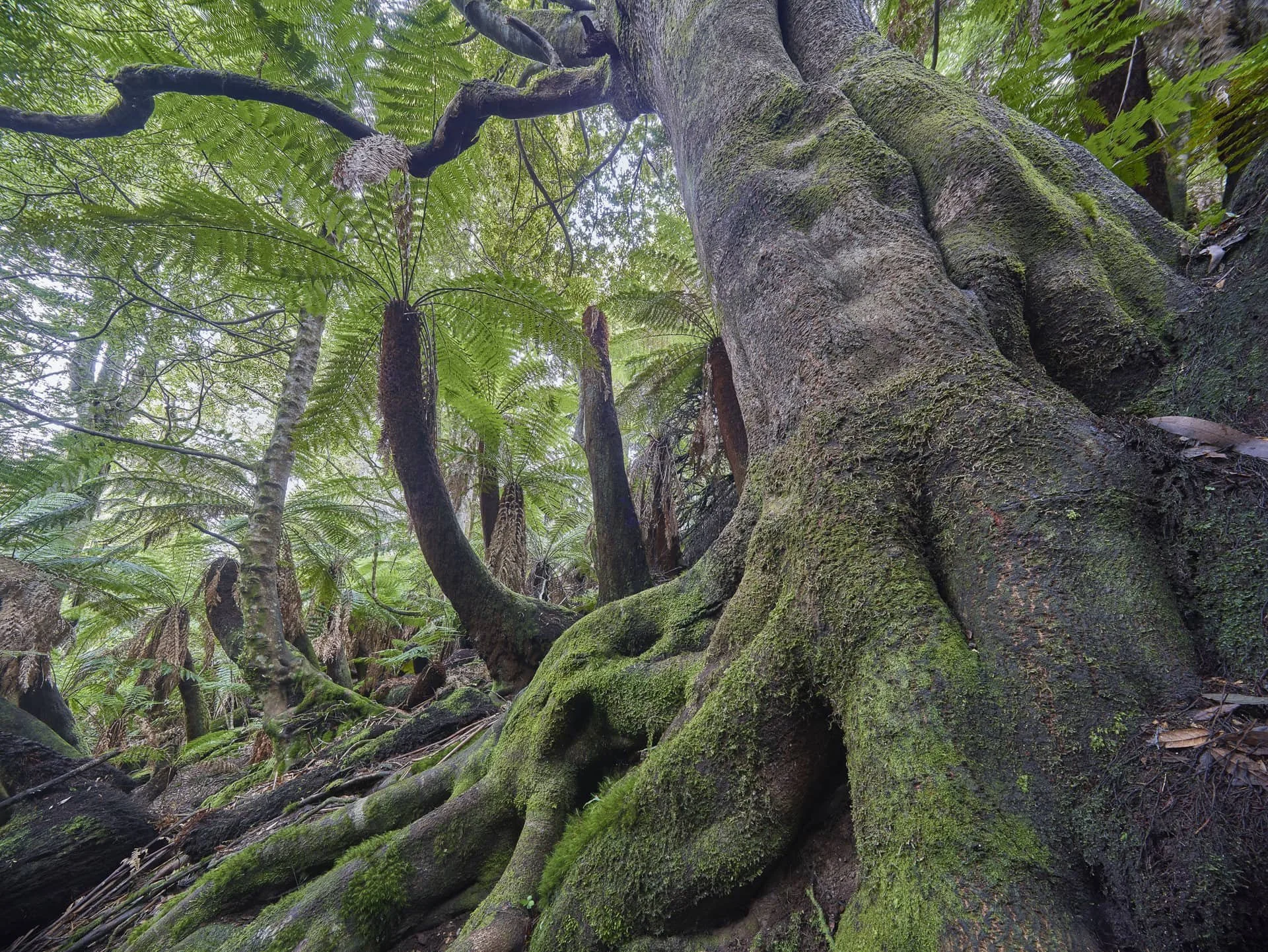
Errinundra holds the largest tract of cool-temperate rainforest in mainland Australia.
Sites of significance
East Gippsland has long been considered of great significance for its biodiversity, rainforest, botanical, zoological and geological sites. It is the only place on mainland Australia with unfragmented natural ecosystems that connect alpine to coastal environments.
Rainforest Sites of Significance
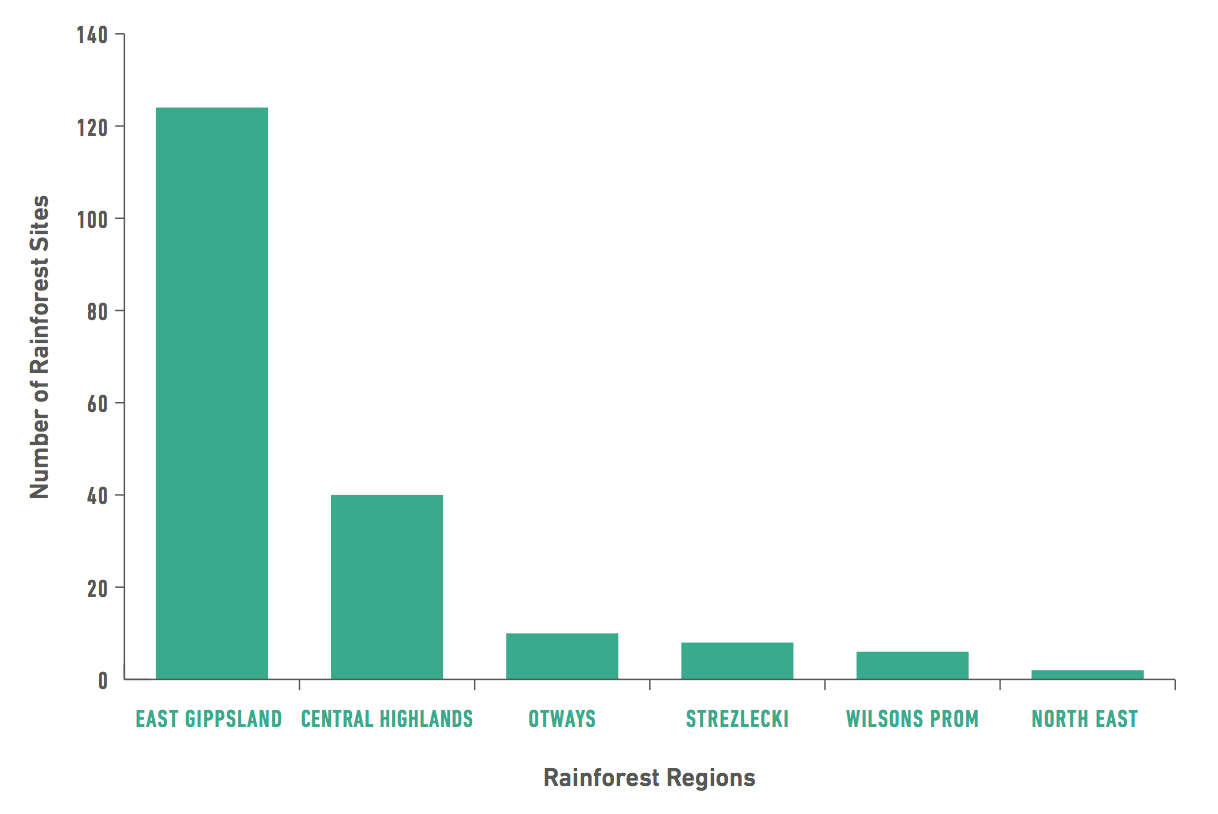
Victoria’s rainforests were assessed by government botanists in the 1980s. The most significant stands of rainforest that were known at the time were mapped as ‘Sites of Significance’. The 120 identified Sites of Significance include subcatchment areas of eucalyptus forest that surround ‘core’ rainforest areas. The surrounding eucalyptus forest maintains the moist conditions the rainforest needs. It buffers the rainforest from fire, wind and invasive species. Logging is currently allowed in Rainforest Sites of Significance and is only restricted in the subcatchments of ‘nationally significant’ sites. Logging and management burns have destroyed critical forests within Rainforest Sites of Significance, placing vulnerable rainforest areas at great risk.
Botanical sites of significance
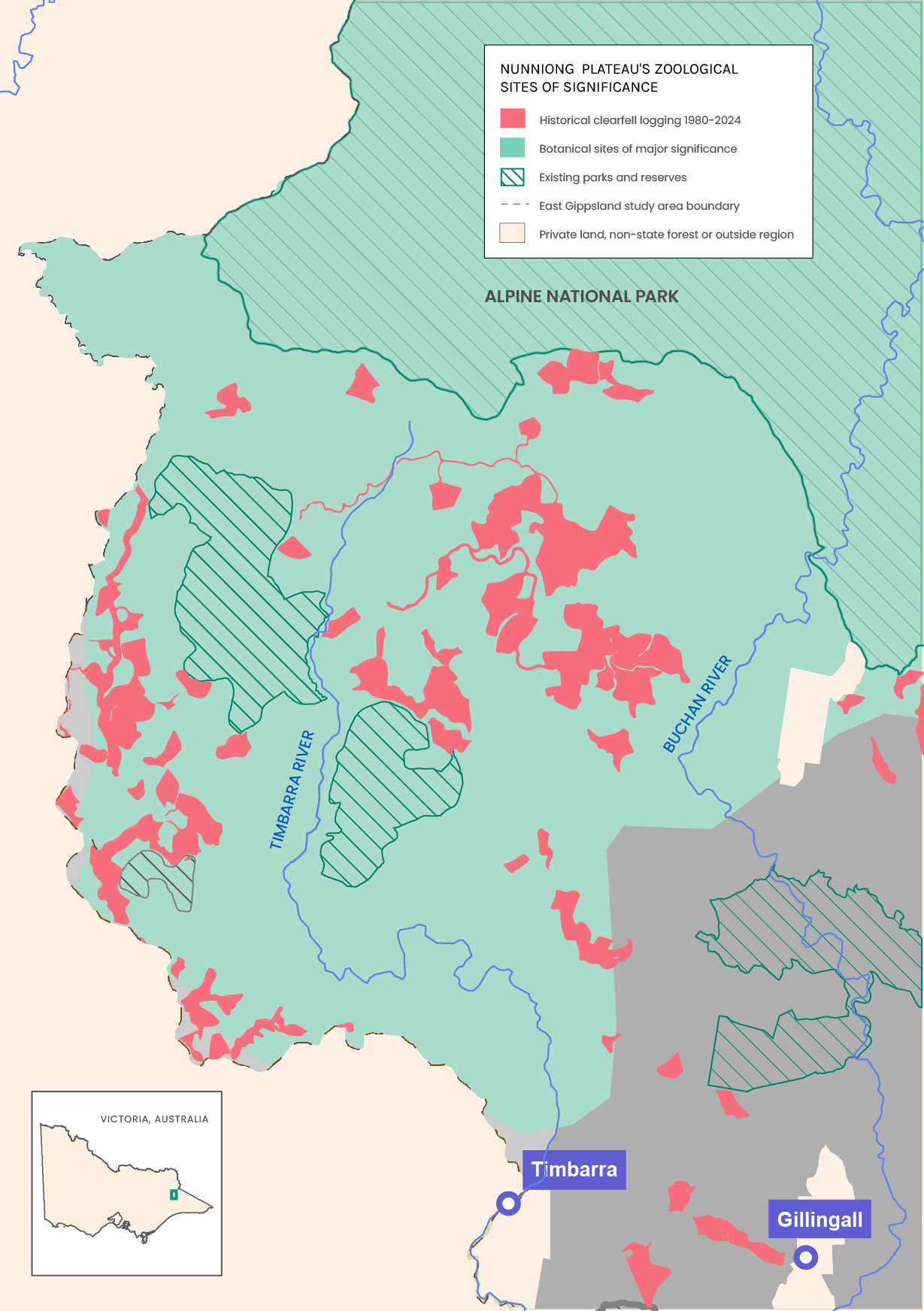
Government scientific experts carried out assessments of East Gippsland’s flora communities in the 1980s. Botanists rated areas according to criteria such as presence of rare or restricted species, absence of introduced species, richness of vegetation (number of species), maturity of vegetation and proximity to outside disturbances. The Errinundra and Nunniong Plateaus are both ranked as major Sites of Significance due to the presence of rare plants, richness of vegetation types, rainforests and old growth forests.
Zoological sites of significance
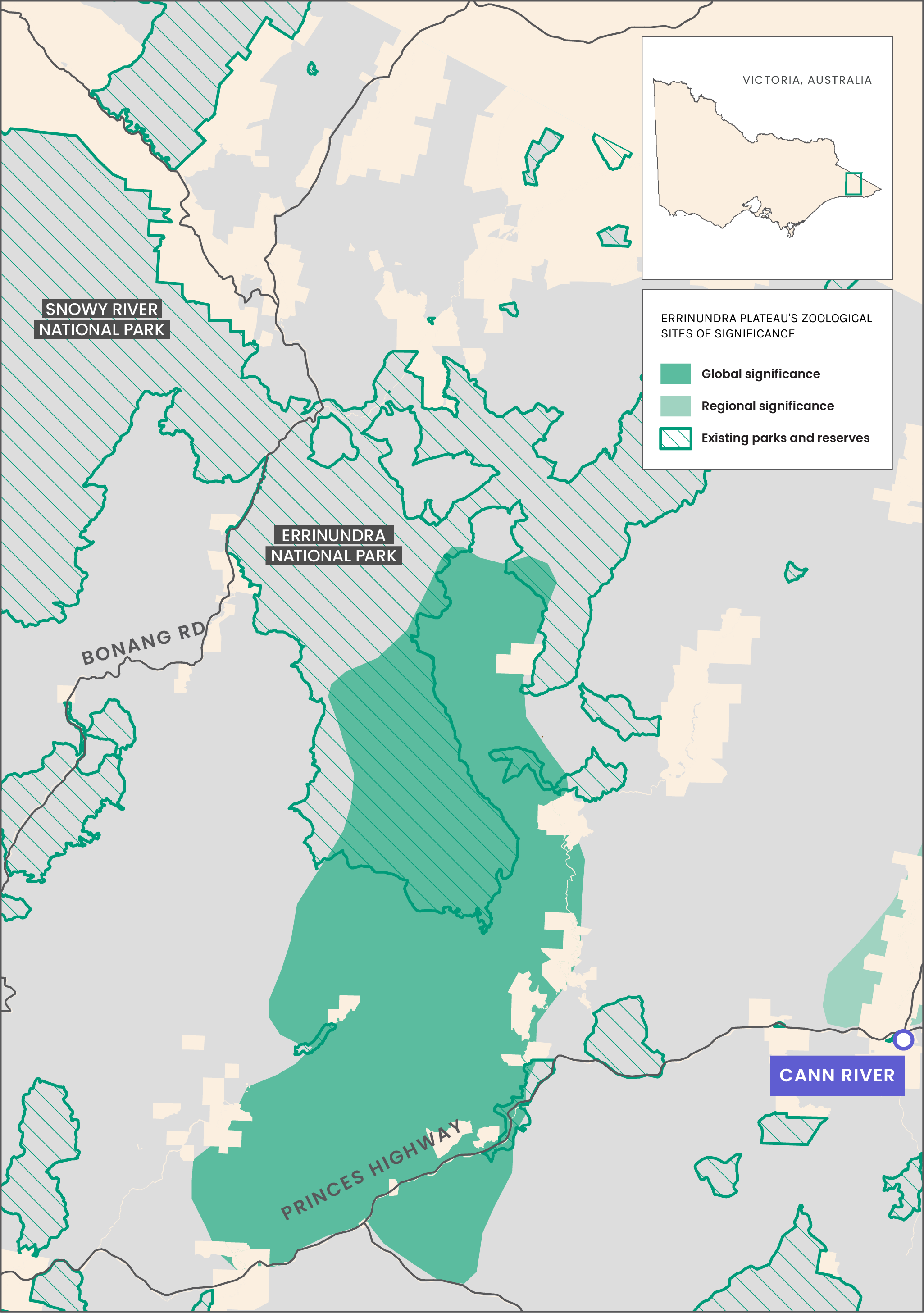
Sites of Zoological Significance were mapped by scientific experts in the early 1980s on behalf of the Victorian Ministry for Conservation. Twenty six Sites of Significance were identified in East Gippsland based on the richness of animal diversity within them. The Errinundra—Bellbird Creek is one of two sites ranked as a Global Site of Significance. This site encompasses the area to the south of the Errinundra Plateau including the Kuark Forest and the heritage listed catchments of the Arte and Goolengook Rivers.
“The extraordinary quantity of Sites of Significance in East Gippsland makes the region a truly special place. By creating a network of protected areas, we can ensure that this biodiversity is resilient and insulated from the future impacts of climate change.”